The Great Stuff Migration: What Happens When Baby Boomers Downsize
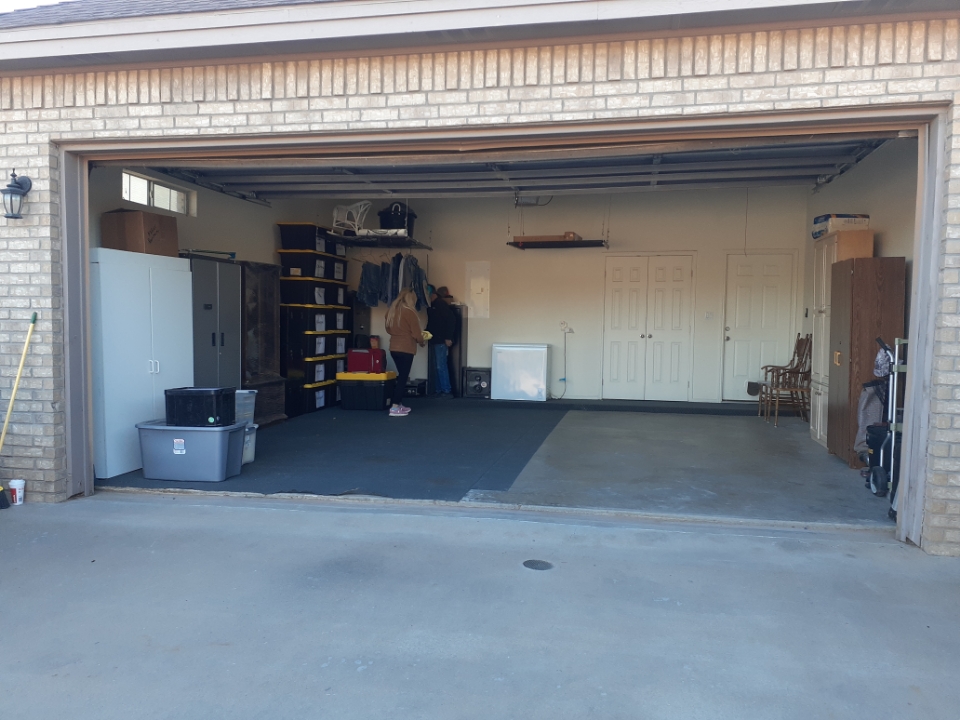
Somewhere in America right now, a 70-year-old woman is standing in her basement looking at 45 years of accumulated possessions and wondering what on earth to do with all of it. Her children — Gen Xers now in their 40s and 50s — are watching from a careful distance, equal parts concerned and quietly dreading the phone call that ends with the words "can you take some of this?"
This is the Great Stuff Migration, and it's just getting started.
The Scale of What's Coming
The Baby Boomer generation — roughly 75 million Americans born between 1946 and 1964 — is the largest generation in American history to have lived through decades of sustained economic expansion and consumer culture. They bought houses, filled them, bought vacation homes, filled those, rented storage units, and filled those too.
Now, as they move into their 70s and 80s, many are facing the reality of transition: moving to smaller homes, assisted living facilities, or passing their estates to the next generation. The U.S. Census Bureau estimates that over 10,000 Baby Boomers turn 65 every single day. The wave of downsizing that's underway represents the largest transfer of physical possessions in modern American history.
Why This Generation Accumulated So Much
To understand the scale of what's happening, you have to understand the cultural context in which Boomers lived. Many grew up with parents who experienced the Great Depression — people who kept everything, repaired everything, and wasted nothing. Their children, the Boomers, reacted to that scarcity by embracing abundance.
They came of age during an era of cheap goods, available credit, and suburban homes with garages and basements specifically designed to hold more. They collected. They stored. They invested in physical things as a form of identity and security. A full house wasn't clutter — it was success.
And here's the thing: most of it is not junk. There are quality pieces of furniture, tools that still work perfectly, collections lovingly assembled over decades, mementos from a life fully lived. The problem isn't the value of the items — it's the sheer volume.
The Children Didn't Sign Up for This
Gen X — born between 1965 and 1980 — is bearing the weight of this migration in ways that are both practical and emotional. As the children of Boomers, they're being called upon to help parents sort through lifetimes of possessions, often while managing their own households, careers, and families.
The dynamic is complicated. Parents want their things to go to people who will appreciate them. Children feel guilty saying no. And the truth is: most Gen Xers don't want the stuff. They're living in smaller homes by choice, embracing minimalism, and already drowning in their own household accumulation.
The result? Dining room tables that nobody asked for end up in garages. Bedroom sets that survived three decades end up in storage units. Boxes of china that were kept "for good" end up waiting for a good that never comes.
The Emotional Weight of Other People's Memories
What makes this migration so difficult isn't logistical — it's emotional. Every item in a parent's home carries a story. That lamp was a wedding gift. Those books were read on a porch decades ago. That tool belonged to a grandfather nobody alive ever met.
Children become unwilling curators of their parents' histories, unable to discard things that feel like discarding the people themselves. This is grief work disguised as a moving project.
Professional estate cleanout services understand this. The best teams approach these jobs with genuine care — not just efficiency. They know that sorting through a parent's home is one of the hardest things a family can do, and they work around the emotional landscape of the process, not through it.
What Families Are Actually Doing
Here's what we see on the ground, across hundreds of estate cleanouts:
The sentimental items get kept. Photographs, letters, specific pieces of jewelry or art that carry clear personal meaning — these go to family members and should.
The quality items get donated or sold. Good furniture, working appliances, books, and tools find second lives through Habitat for Humanity ReStores, local donation centers, estate sales, and Facebook Marketplace.
The volume items get professionally removed. The rest — and it's usually the majority — needs to be hauled, sorted, and responsibly disposed of by people who do this every day.
A Practical Guide for Families in Transition
If you're navigating a parent's downsize or estate, here's what works:
-
Start early. The worst time to deal with a full home is under the time pressure of a sale closing or a lease ending. Give yourself months, not weeks.
-
Give family members a deadline. Tell siblings, cousins, and children: anything you want, claim it by this date. After that, it's going.
-
Don't try to do it all yourself. The physical and emotional labor of a full estate cleanout is enormous. Bring in help — both professional services and trusted friends.
-
Separate the emotional from the logistical. Give yourself time to grieve what you need to grieve. Then make practical decisions from a clear head.
-
Let go of the guilt. Your parent's worth is not measured in their possessions. Releasing the stuff is not releasing them.
How RECLAIMD Helps Families Through This
We've walked alongside hundreds of families navigating exactly this transition. Our teams handle the physical labor — the hauling, the sorting, the trips to donation centers — so families can focus on what matters: being present with each other during a meaningful life passage.
We work at your pace. We treat every home with respect. And we make sure as much as possible finds a second home rather than a landfill.
If your family is beginning this journey, you don't have to do it alone. Reach out for a free consultation — no obligation, no pressure. Just a team that's been here before and knows how to help.
Ready to Get Started?
Get a free, no-obligation estimate from our team today.