
The $84 Trillion Transfer: How the Boomer Wealth Handoff Is Reshaping American Homes
Financial advisors are calling it the Great Wealth Transfer. Researchers at Cerulli Associates put a number on it: $84 trillion will pass from Baby Boomers to younger generations over the next two decades.
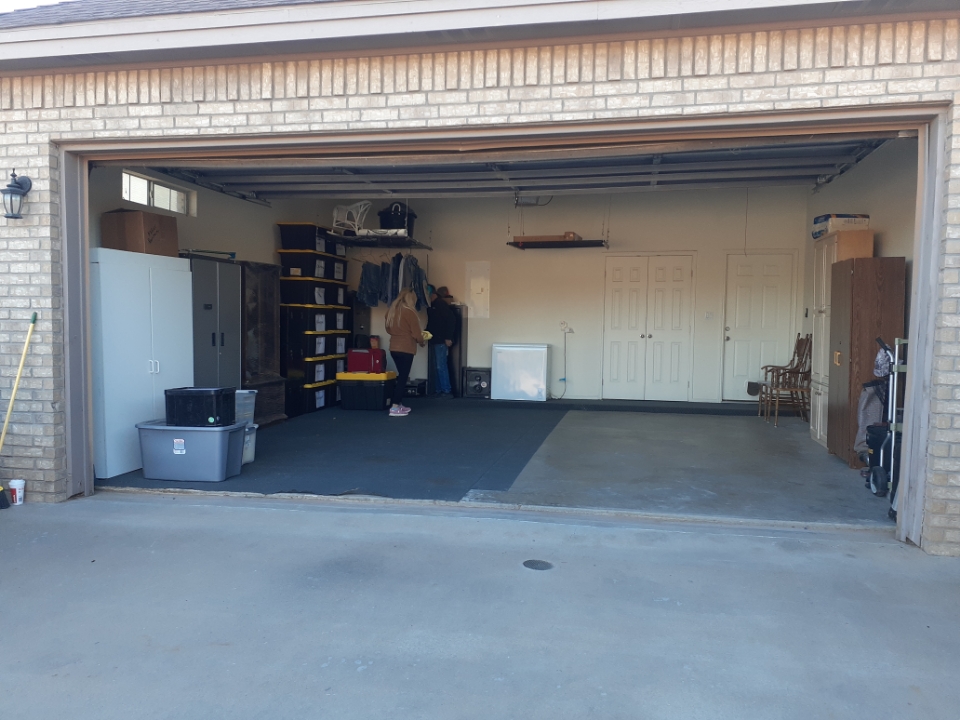
Every article focuses on the money. Very few focus on what comes with it: the physical contents of 76 million lives lived fully and thoroughly. That's the part that lands in your garage.
The Boomer Context: A Generation That Had It All (And Kept It)
Born into post-war prosperity, Boomers came of age during the greatest economic expansion in American history. They had Depression-era parents who never threw anything away. And they themselves entered adulthood just as consumer credit exploded, homes got bigger, and the storage industry was born.
The average Boomer household has lived in the same home for over 20 years. That's two decades of accumulation with no forced reckoning. No move to prompt a cleanout. No downsizing to force decisions. Just steady accumulation, year after year.
The Three Phases of the Transfer
Phase 1: The Downsizing Move. Boomer sells the family home, moves somewhere smaller. Children are called. Decisions are made in a weekend. What doesn't go with the Boomer goes with the kids — or into a storage unit.
Phase 2: The Care Transition. Boomer moves to assisted living. The house must be cleared on a tighter timeline, under stress, with items of real emotional value mixed in with 40 years of everyday goods.
Phase 3: The Estate Cleanout. The Boomer has passed. The house must be cleared before it can be listed. The executor — often a Gen X child already managing career and family — must process a lifetime of belongings while grieving.
Most families experience all three, in sequence, over a decade.
What Gen X Is Actually Inheriting
Furniture. Bedroom sets, dining tables, sectionals, hutches, credenzas. Boomers furnished entire homes and held onto the furniture through every style transition.
Collections. Coins, stamps, figurines, plates, vintage toys, sports cards. Many Boomers bought collectibles as investments in the 1980s–90s. Much of it did not appreciate as promised.
Tools. The Boomer generation was the great DIY generation. Full tool chests, table saws, drill presses, workbenches. Good news: quality tools hold value. Bad news: there's a lot of them, and they're heavy.
Paper. Tax returns going back decades. Medical records. Receipts. Processing the paper alone can take days.
The Sentimental Core. Photographs. Letters. Baby clothes. These items have zero resale value and infinite emotional weight. They are the most time-consuming part — not physically, but emotionally.
The Hidden Financial Cost of Inherited Stuff
Storage unit rental: $100–$300/month. Over three years of unresolved decisions, that's $3,600–$10,800 — to store items with a total resale value of a few hundred dollars.
Home equity reduction: A cluttered, unusable garage reduces a home's perceived value by $5,000–$15,000 in buyer perception.
Opportunity cost: The garage space occupied by inherited furniture is space that could be a workshop, home gym, or functional storage.
Moving Forward Without Guilt
The most paralyzing part isn't physical — it's emotional. The fear that letting go of your mother's furniture means letting go of your mother.
Here's the reframe that helps most people: the love is not in the object.
Your mother's love was not stored in the china cabinet. Your father's pride was not located in the table saw. Those feelings exist in you, independent of any object. You can honor a life well-lived without preserving every artifact of it.
Photograph what matters. Keep what you'll genuinely use. Give the rest a better future than a garage in the dark.
The Practical Path Forward
- Take two weeks before touching anything. Make initial decisions from a list, not from standing in a room full of memories.
- Hire appraisers for anything potentially valuable. Know what's worth money before donating or discarding.
- Donate to organizations that make it meaningful. Habitat for Humanity, veterans' orgs, local shelters.
- Call a professional cleanout team for the final phase. One day of professional work versus months of weekends.
The Great Stuff Migration is coming for every family. How you navigate it — with intention, with grace, with the right help — determines whether it's a burden that lingers for years or a transition you move through cleanly.
And on the other side is a garage you can actually use.
Ready to Get Started?
Get a free, no-obligation estimate from our team today.